The die and mould industry, once considered the traditional backbone of manufacturing, is undergoing a…
Inside the Toolroom: Lean Manufacturing and Process Optimization for Dies & Moulds
The die and mould industry, integral to producing a wide range of products across sectors like automotive, aerospace, and consumer goods, is undergoing a major transformation. As global demand for precision components grows, manufacturers are turning to lean manufacturing principles and process optimization strategies to enhance productivity, reduce waste, and improve overall efficiency. In this article, we delve into how lean manufacturing and process optimization are reshaping toolrooms and the production of dies and moulds.
The Need for Lean Manufacturing in Tooling
Lean manufacturing, originally developed in the automotive industry, focuses on minimizing waste without sacrificing productivity. The die and mould sector, known for its intricate, high-precision tooling, faces unique challenges, including long lead times, complex designs, and costly raw materials. To meet these demands, toolmakers are embracing lean practices to streamline operations and maximize value.
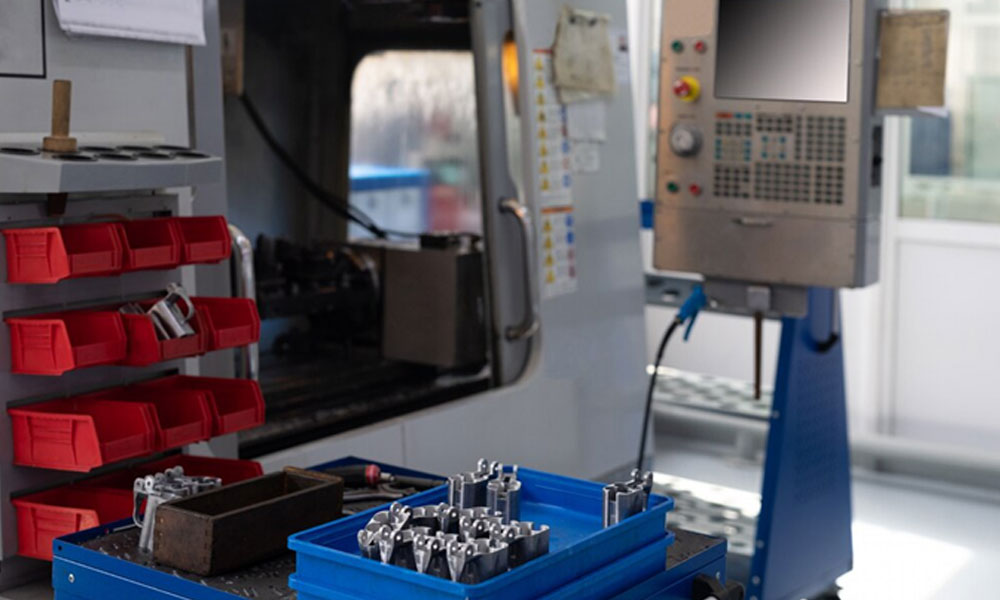
One key aspect of lean manufacturing is reducing non-value-added activities in the production process. In a traditional toolroom, inefficiencies can arise from overproduction, long setup times, or excessive movement of materials. By implementing lean techniques like value stream mapping, manufacturers can identify and eliminate these inefficiencies, leading to faster turnaround times and lower operational costs.
Streamlining Production with Process Optimization
Process optimization in toolrooms involves refining the workflow and resource allocation to improve quality and speed. It begins with analyzing every step of the die and mould production process, from design and material selection to machining and assembly. One common approach is to adopt advanced Computer Numerical Control (CNC) machines and automated equipment, which can significantly reduce human error and boost precision.
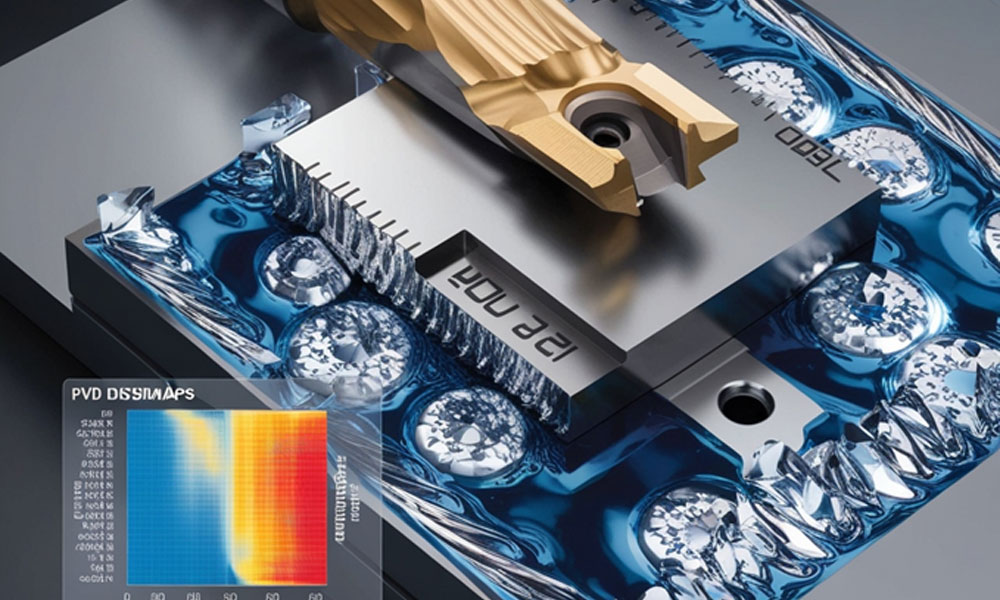
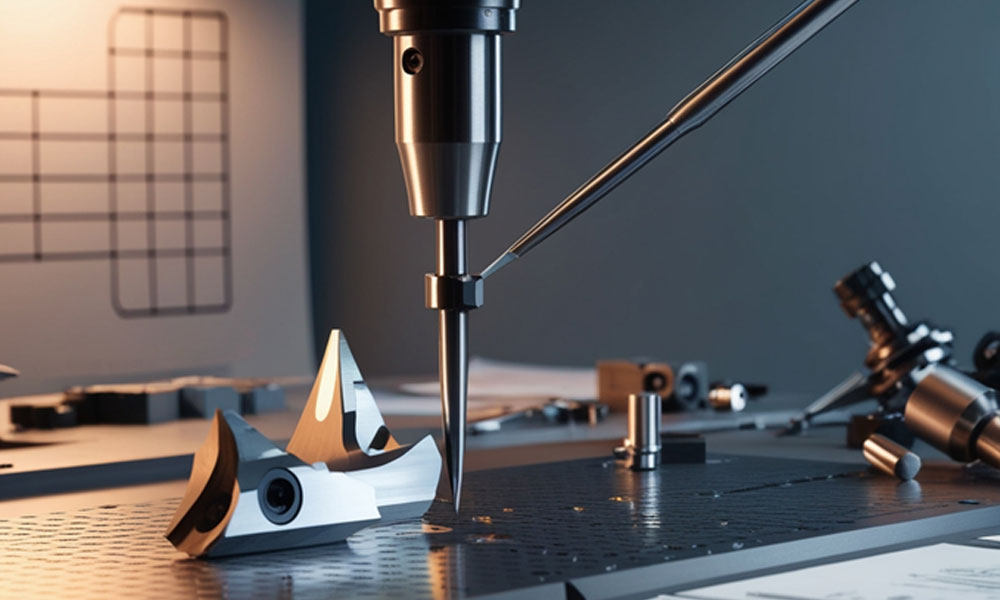
CNC machines, for example, allow toolmakers to achieve tight tolerances and repeatability across batches, reducing the need for rework or adjustments. In addition, automation enables faster processing times and reduces the dependency on skilled labor for routine tasks. Combined with the use of high-quality, durable materials, optimized processes can result in longer tool life and greater operational efficiency.
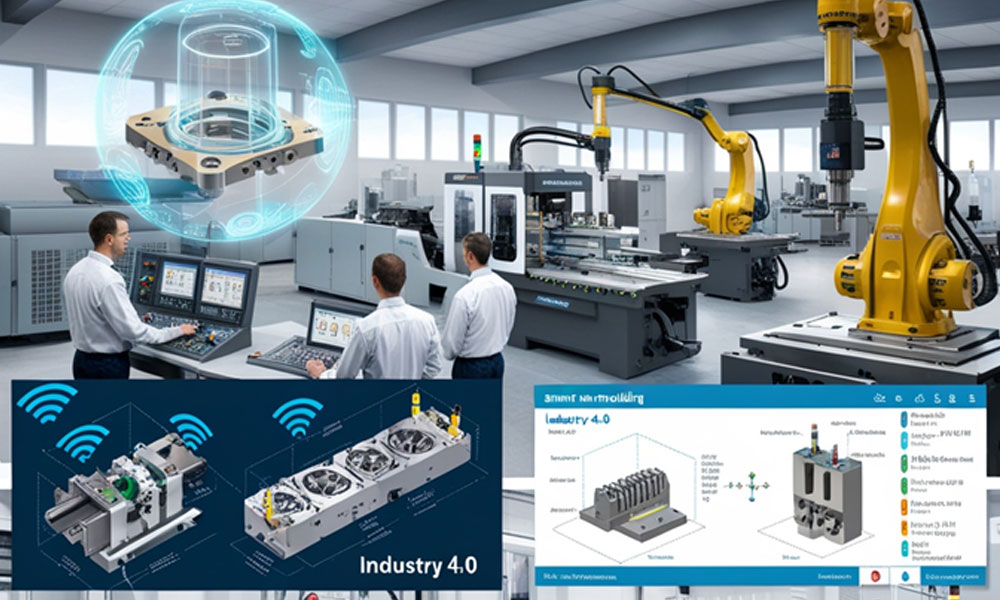
Another powerful tool in process optimization is the use of data analytics. Toolmakers can leverage real-time data from sensors, IoT-enabled devices, and Machine Learning (ML) algorithms to monitor production processes and identify potential issues before they become costly problems. Predictive maintenance, for instance, can help prevent unexpected machine failures and minimize downtime by flagging signs of wear before tools break down.
Benefits of Lean Manufacturing and Process Optimization
The implementation of lean manufacturing and process optimization offers several significant benefits for toolmakers. First and foremost is the reduction of lead times. By minimizing waste and improving production flow, toolmakers can meet client deadlines faster, which is crucial in industries that demand quick-turnaround times.
Additionally, optimized processes lead to cost savings by reducing material waste, energy consumption, and labor costs. Efficient tool production means fewer defects and reworks, translating into lower production costs and higher-quality products. The ability to produce high-precision tools faster and more affordably gives manufacturers a competitive edge in a market that increasingly demands customization and innovation.
Moreover, lean practices improve workplace safety and morale. A streamlined, well-organized toolroom reduces clutter and minimizes unnecessary movement, creating a safer and more ergonomic working environment for employees.
Lean Tooling in the Future
Looking ahead, the die and mould industry will continue to evolve alongside technological advancements. The integration of Industry 4.0 technologies, such as IoT, big data, and AI, will further enhance process optimization and lean manufacturing. Smart factories with interconnected machines and automated workflows are set to revolutionize the toolroom, enabling even greater efficiency and precision in die and mould production.
Lean manufacturing and process optimization are essential for the future success of the die and mould industry. By reducing waste, improving efficiency, and embracing new technologies, manufacturers can meet the growing demand for high-quality, precision tooling while remaining competitive in an increasingly complex market. The toolroom of the future will not only be more streamlined but also more intelligent, adaptive, and responsive to the needs of industries worldwide.
Related Posts