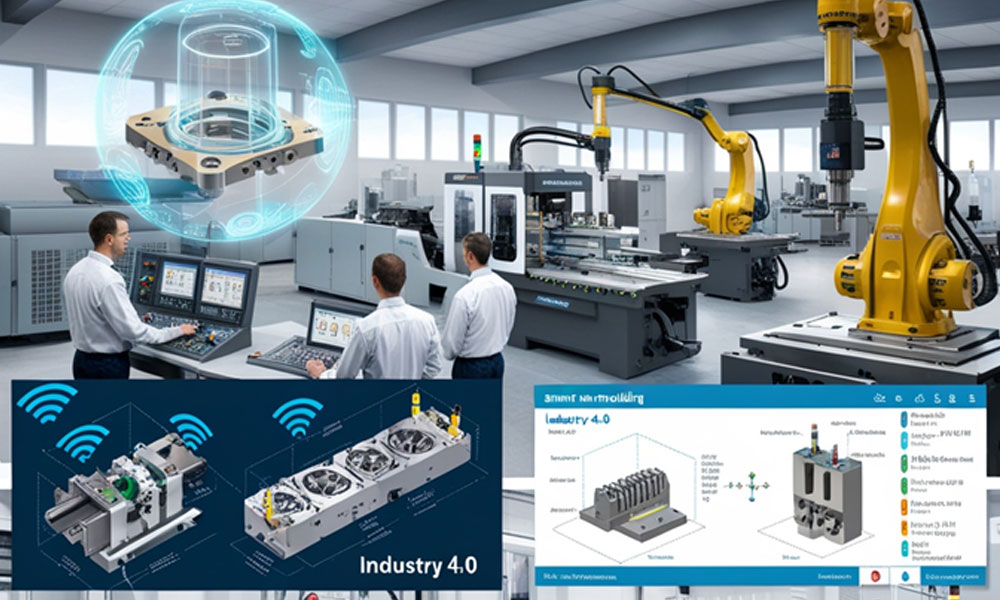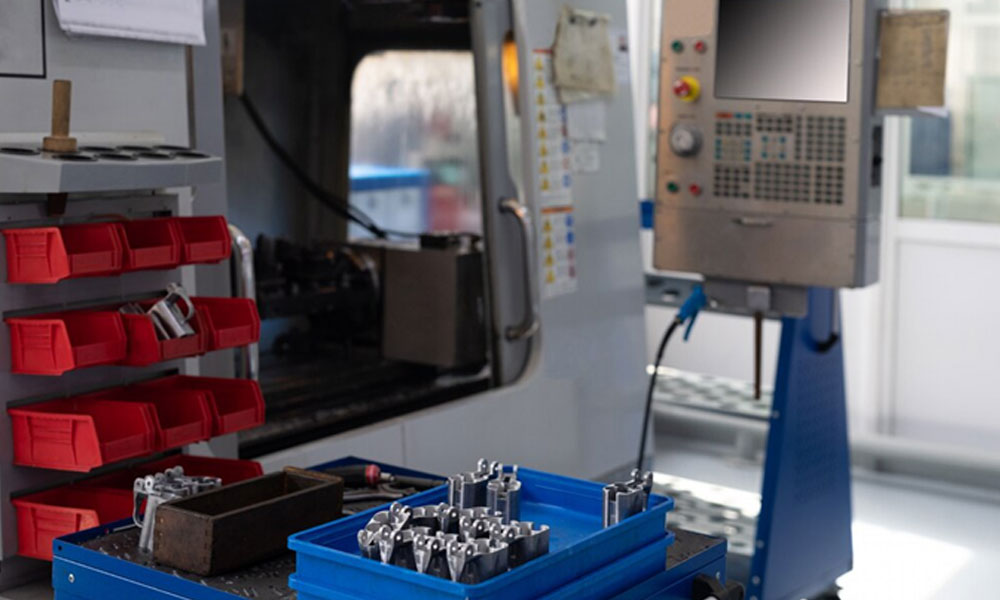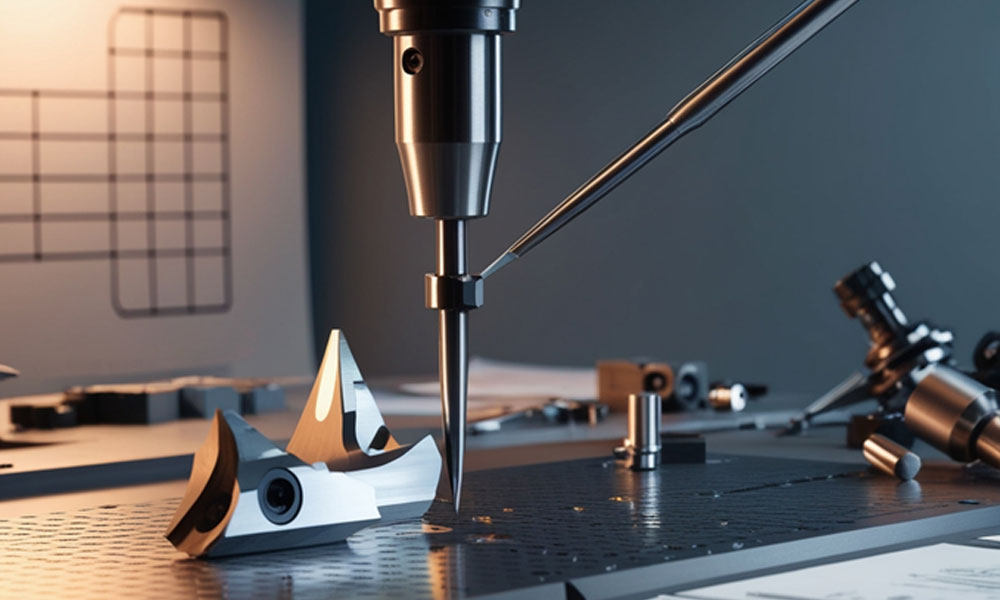
The die and mould industry, once considered the traditional backbone of manufacturing, is undergoing a…
Material Matters: Emerging Alloys and Coatings for Long-Lasting Tool Performance
As the demands on manufacturing tools grow in complexity and precision, the materials used to create these tools must evolve to meet new challenges. Tool longevity, performance, and efficiency are critical in modern industries such as automotive, aerospace, and electronics. To achieve these goals, manufacturers are turning to advanced alloys and coatings, including tungsten carbide, Physical Vapor Deposition (PVD) coatings, and thermal management materials. These innovations are transforming the durability and effectiveness of tools, enabling them to perform under more extreme conditions and with longer life cycles.
Tungsten Carbide: The Gold Standard for Tool Strength
Tungsten carbide is one of the most widely used materials in tool manufacturing due to its remarkable hardness, strength, and resistance to wear. Composed of tungsten and carbon, tungsten carbide tools offer superior performance, especially in high-stress environments. This material is particularly advantageous in cutting tools, drill bits, and mining equipment, where high hardness and resistance to abrasive wear are essential.
What sets tungsten carbide apart is its ability to maintain its hardness even at high temperatures. This property makes it ideal for applications involving high-speed machining, where heat generation can rapidly degrade the performance of traditional tools. Tungsten carbide tools are known for their ability to cut through tough materials like steel, titanium, and composites without losing their edge, making them indispensable in industries that require precision and long-lasting performance.
PVD Coatings: Enhancing Tool Durability and Efficiency
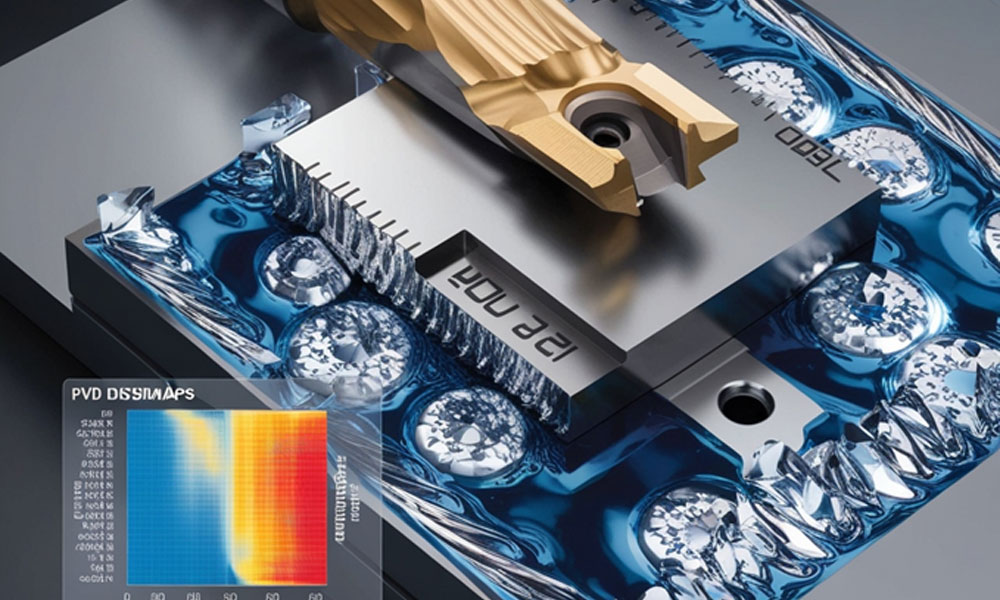
Physical Vapor Deposition (PVD) coatings are increasingly being used to enhance the surface properties of tools. PVD coatings are thin, durable layers of material applied to tools through a vacuum deposition process. These coatings provide a combination of hardness, wear resistance, and corrosion protection, which significantly improve the performance and lifespan of tools.
The most commonly used PVD coatings for tooling applications include titanium nitride (TiN), titanium aluminum nitride (TiAlN), and zirconium nitride (ZrN). These coatings improve the tool’s ability to withstand heat and friction, which are critical factors in maintaining tool performance under extreme operating conditions. For example, TiAlN coatings offer excellent thermal stability and are particularly suited for high-speed cutting and machining of hardened materials. Additionally, PVD coatings reduce the frequency of tool changes, leading to lower maintenance costs and increased productivity.
By reducing friction, PVD coatings also contribute to better surface finishes on the workpieces being machined, as well as improved efficiency in the machining process. The ability to apply these coatings to a wide range of tool types makes PVD technology a versatile and cost-effective solution for extending tool life and improving performance across multiple industries.
Thermal Management Materials: Preventing Overheating
Heat is one of the primary causes of tool degradation, which is why effective thermal management is critical for tool performance. New materials designed for better heat dissipation and thermal stability are helping manufacturers extend the lifespan of tools. Thermal management materials, including high-performance ceramics and advanced polymers, are increasingly being used in the design of cutting tools, moulds, and dies.
Materials like aluminum nitride (AlN) and copper-based alloys are being employed to manage heat more effectively by drawing heat away from critical tool surfaces. These materials are particularly useful in high-speed machining processes where excessive heat can lead to tool wear and failure. By incorporating these materials into the design of tools, manufacturers can ensure better temperature control, reducing the risk of overheating and improving overall performance.
Additionally, new developments in heat-resistant coatings and substrates are allowing tools to perform efficiently at higher temperatures, further extending tool life and reducing downtime. With enhanced thermal management, tools can operate at optimal speeds and feeds without the risk of thermal damage, making them more reliable and durable in demanding manufacturing environments.
The future of tool performance lies in the continued innovation of materials that enhance durability, reduce wear, and improve efficiency. Tungsten carbide, PVD coatings, and advanced thermal management materials are leading the way in this transformation, offering manufacturers the ability to produce tools that last longer and perform better under extreme conditions. As industries continue to push the boundaries of precision and production speed, the development of these advanced materials will be essential in meeting the ever-increasing demands of modern manufacturing.
Related Posts